Many communities across the world lie in “veterinary care deserts,” where social and geographic factors severely limit access to veterinary care. In both rural and urban but often low-income areas, pet owners in these deserts lack access to nearby, affordable care for their animals. In the U.S. alone, about 20 million pets are impacted by this scarcity, with an estimated 70 percent of those pets never having seen a veterinarian.
“There’s a vet shortage nationwide—actually, worldwide,” says Dr. Parkin, Greater Good Charities’ Executive Vice President of Veterinary Services. “What that means to the average community member is that vet services are expensive and sometimes difficult to get when you need them.”
In some cases, as in remote Alaska, the challenge is largely geographic as well as socioeconomic—communities are spread across vast, often remote areas, and the cost and logistics of spay/neuter surgery can put basic pet care out of reach.
In others, as in Greece where thousands of people arrive daily seeking asylum, the challenges are obvious. Refugees in 30 mainland temporary reception facilities—more commonly known as refugee camps—often face difficulties accessing the basic resources they themselves need, let alone care for the animals in and around the camps.
In both cases, as in all veterinary deserts, the need for better access to animal care is urgent and crucial to the health of both the pets and people in these communities.
That’s where Greater Good Charities’ Veterinary Services Team comes in. Through our free mobile veterinary clinics, we bring critical services directly to underserved communities, negating sometimes insurmountable care costs for individuals and families while providing sterilization and treatment to hundreds of animals in a matter of days.
Spay/neuter surgeries, vaccinations, tick and flea treatment and prevention, microchipping, and other medical care limit pet overpopulation; reduce illness, injury, and suffering for animals; and mitigate health and safety concerns for people.
Plus, says, Dr. Parkin, “being able to provide the basics, then allowing the existing vets to free themselves from doing those things, to see your sick pet when it’s sick, is a service that every community [can] get behind.”
The impact of a single clinic is direct for animals given treatment and for their immediate families, providing them with care, financial relief, and the gift of a healthy family member. But these impacts extend far beyond the individual animals sterilized. This work has the power to improve quality of life for thousands of people and animals years into the future, and enacts immense good at the shelter level, lowering intake numbers and rates of euthanasia due to space constraints while also leaving healthier, more adoptable animals in shelters.
Greater Good Charities has provided veterinary services across the globe. We’ve spayed/neutered a total of over 75,000 dogs and cats, with upcoming initial and follow-up clinics planned in states including Alaska, Colorado, Oklahoma, Texas, and Washington, as well as European countries like Greece and Portugal.
Reaching the Last Mile: Bringing Compassionate Veterinary Care to Alaska’s Remote Communities
Last year, Greater Good Charities’ Veterinary Team completed a fifth round of free High-Quality High-Volume Spay/Neuter (HQHVSN) clinics in Alaska, safely sterilizing nearly 700 owned pets from the Kenai Peninsula area.
In order for pet owners in this community to reach basic services, they must either fly or take a ferry to another town. “It’s a two-day, fairly expensive procedure for them,” says Dr. Parkin. “Most people there just can’t afford to do that. So does that mean they shouldn’t be able to have pets? Of course not. Pets are part of our families. We went there twice, a year apart, and I’m pretty sure we sterilized every animal in that community in those two visits.”
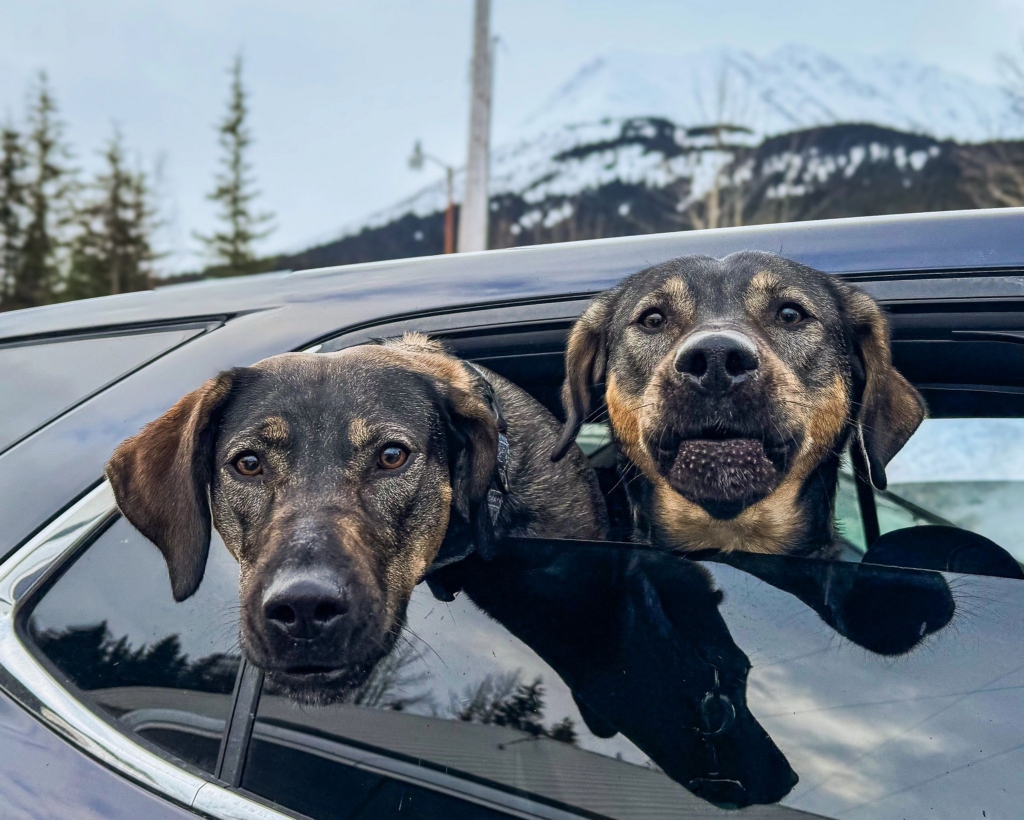
One pet owner Danielle brought her dogs to the clinic and shared how much it meant to her:
“This past year, I welcomed several dogs into my care—each one coming from different past. I found myself as grandma to an adorable litter of puppies. While they have brought so much joy into my life, they did not come without worry. It was important to me to have all my dogs sterilized to prevent any further accidental litters. When I learned that Greater Good Charities was coming to my community, I felt immense gratitude—not only because of the support it offered me personally, but because of the impact it had on our entire community.”
This impactful work is powered by the generosity of veterinarians and technicians who donate their time to help our team.
“They do this as volunteers,” Dr. Parkin says of the veterinary teams. “They use their very precious PTO time to come and do this. I’ve had vets tell me, ‘Thank you for reminding me why I became a vet,’ because they feel like they’re making an impact on these communities.”
Local animal welfare groups also make up an important piece of this puzzle. Greater Good Charities partners with those on the ground, familiar with their communities’ needs and doing all they can with limited resources.
“The ground partners we work with are often the service providers for low-cost spay and neuter services, and they are typically completely overwhelmed, understaffed and underfunded,” Dr. Parkin explains. “If we’re able to come in and do in four days what would take them six months to a year to do, that really allows them a lot of catch-up time in their community.”
This help can be transformative as families receive tangible support to stay together, burdens on animal welfare organizations are lightened, and communities move forward knowing they have Greater Good Charities’ long-term backing.
Care Without Borders: Filling the Gaps in Greece’s Refugee Camps
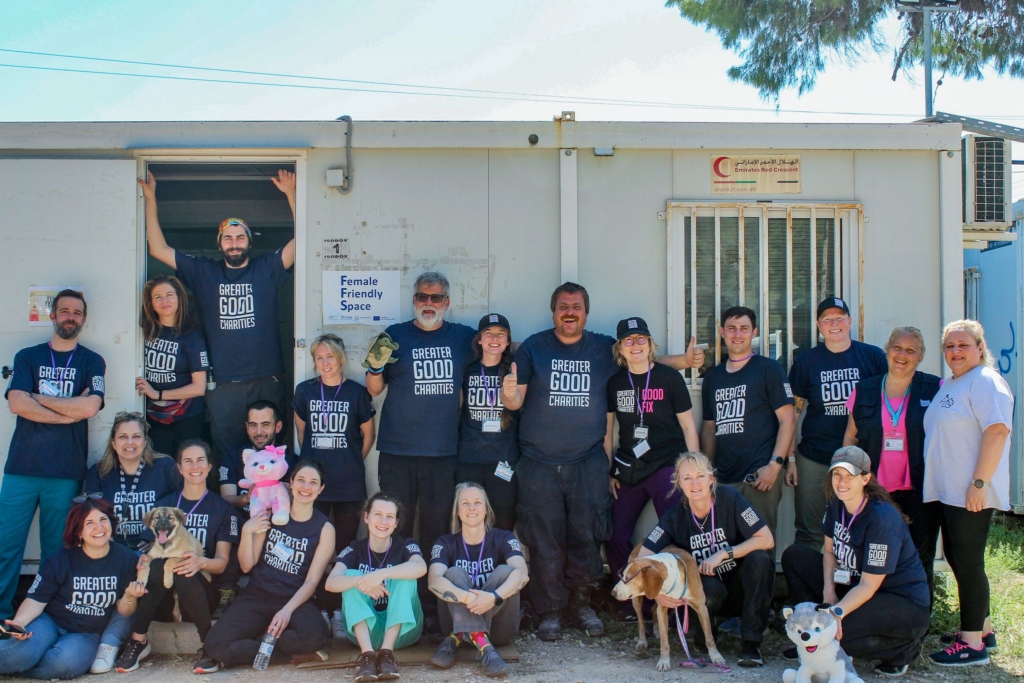
After a first round of clinics in the spring of 2025 that treated over 340 animals across three Greek refugee camps, our international team of veterinarians, trappers, educators, and volunteers returned in January 2026 for a second round of clinics.
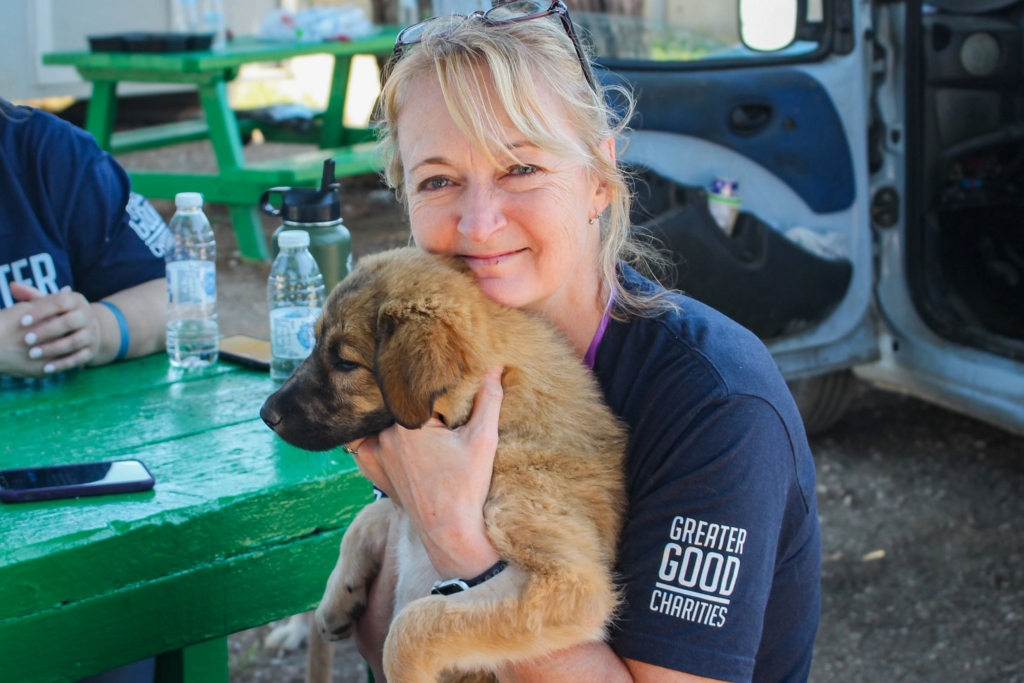
Inevitably drawn to the camps by food availability and human interaction, free-roaming dogs and cats are an intrinsic part of the landscape. For many refugees, particularly children, these animals provide comfort and a sense of normalcy in an otherwise difficult environment.
During this second round, we sterilized and/or treated another 270 animals in four camps as part of our ongoing mission to provide high-impact support in communities too often overlooked. These animals included Lucy and Box.
These two dogs were taken in by Mohammed and his family, Lebanese refugees who’ve grown to love and feel responsible for them. They were forced to keep Lucy and Box restrained separately, knowing that if Lucy got pregnant they couldn’t care for a litter of puppies.
Our team sterilized, vaccinated, and treated Lucy and Box at no cost to this family. With the dogs recovering well, Mohammed approached our team holding Lucy’s and Box’s chains as they walked freely beside him, his joy apparent at having this burden eased for his family.
The animals in these camps may be considered “unowned,” but in reality, they’re loved deeply as family members. The residents want the best for them, even when they themselves have little.
While the veterinarians were hard at work, staff and volunteers were busy with a different but equally important effort. They focused on engaging nearly 170 kindergarten and elementary school children with fun and educational animal welfare sessions, promoting safe and responsible interactions between people and animals. Community education like this is another key aspect of our veterinary services, reducing health and safety concerns while promoting awareness of the importance of spay/neuter.
Our work from Alaska to Greece shows what’s possible when compassion meets action. Every clinic, every volunteer, and every grateful pet owner contributes to a growing movement reshaping how we care for animals and strengthening the bond between people and their pets.
With your support, we’re showing up to fill the gaps that cause veterinary deserts, ultimately diminishing their scope, and the work is far from finished. Thank you for helping us improve lives, forge trust across communities, and ultimately, amplify the good.